Showing posts with label Fuel Tip. Show all posts

9/23/14

Running Like New

From Residue to Running Like New
How a Fuel System Cleaning Can Restore Your Engine

Whether you put too much food down the garbage disposal (we prefer composting), too many leaves fall into the gutters or grandma's famous tuna casserole left your oven covered in an unknown greasy substance, things stop performing at their optimal level unless they're cleaned. The same is true for your car's engine.

Residue gets left behind in your engine every time you turn off your car. Any time an engine shuts down, it goes through a 'hot soak'. A hot soak is when your engine is still producing heat and there is no air flowing through it to cool it down. During the 'hot soak' period, fuel residues become thin deposits called gum and varnish. with time, these this residues accumulate and bake into rock-hard carbon deposits, which can be very difficult to remove.

The hard carbon deposits cause a multitude of problems with engines. these include hard starts, stumbling, loss of fuel economy, increased emissions and reduced performance.

To unclog your gutters, all you need to do is remove the leaves, use some oven cleaner to remove the mystery grease from your oven. But how to clean the deposits from your engine? Regular fuel system cleaning as a preventive maintenance can address the fuel deposit-related problems before they require expensive repairs, including engine dis-assembly and part replacements. 

Our favorite product is BG 44K Fuel System Cleaner. We recommend using it annually (12,000-
15,000 miles). It is a standard part of our maintenance services for our customers. This is poured into your fuel tank (good to have a full tank)and as your car runs, the product will clean throughout, helping to remove those harsh deposits and improving vehicle performance.

There are no negative side effects what so ever when you use a quality fuel system cleaner. We also carry a BG fuel System cleaner for diesels as well. (By the way, BG can only be purchased through auto repair facilities.) 

Click here for your appointment today. Your Serene, Green Auto Repair Team www.WaterStarMotors.com

4/24/13

Air Filters Part 1 of 2

Air Filters Part 1 of 2

BREATHING - good for you and good for your car.

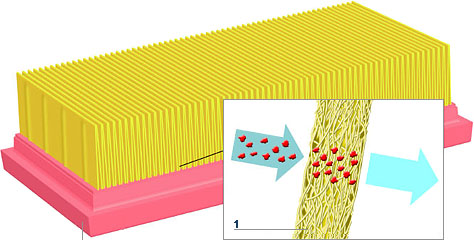
The function of an air filter is similar to that of the hairs in your nose. They filter out dust and dirt particles, pollutants, etc. before the air flows into the engine. Air flows from the air filter through the intake manifold into the engine where it mixes with the fuel. The ‘stoichiometric formula’refers to the optimum air to fuel ratio: 14.7 parts of air to every one part of fuel. That is a lot of air.

Do all cars have filters? Yes! Old cars – 1960’s and below had oil bath filters. Now cars have dry paper filters which look like mini accordions.

How often should I replace my air filter? Depending on driving conditions, your air filter should be replaced every 10,000 to 30,000 miles. Clean, high-quality air filters ensure full engine performance. They clean the intake air reliably and are resistant to humidity, heat, oil and air pulsations in the intake process. Timely air filter replacement pays off. With new air filters, fuel consumption can be reduced by up to 10%.

Besides using more fuel (pain at the pump), cars with plugged air filters also create more emissions at the tail pipe. The overall performance is negatively affected. The worse case scenario would be that the filter becomes so dirty that the dirt escapes into the engine causing engine damage. Clean air filters prolong engine life. Similarly, people with emphysema (lung problem) do not operate at their full capacity. Second worse scenario, it could actually stop your car from running.
I've seen worse


Imagine the road conditions your car has to put up with. There is dirt and trash on the roads which gets whipped around by the vehicle in front of yours. Then your car gets to breathe it all in. We've seen candy wrappers, paper, wood, dirt, leaves, pine needles, etc. lodged in people’s old air filters.

Garaged cars will occasionally find rodents who have deemed the air filter as the best place to start a family or camp out. They bring acorns, dog food, cozy shredded paper…all of the amenities of a happy rat or mouse, into the air filter and housing. One real problem that can occur in this circumstance is a horrific smell if the critter dies somewhere in your car. Ugh!

There is a product on the market called K/N high performance lifetime air filters for cars, trucks, and motorcycles. Initially they are more expensive, but they are designed to last a million miles and with better air flow. They are made with 4-6 sheets of cotton gauze layered between two sheets of aluminum wire mesh. This media is then pleated and oiled. It is recommended to wash and re-oil once every 50,000 miles. We mention this product because of our Green stance we take in our business. Imagine the positive impact on our landfills if every car in the world converted to a lifetime air filter during regular maintenance. 

Stay tuned to the next edition of Rock, Paper, Car where we will talk about Cabin Air Filters.