Last issue we discovered how breathing is good for your car. Now let’s look at how breathing clean air inside your car is good for you as we discuss Cabin Air Filters.
Air filtration for car interiors appeared on the scene in 1939. It wasn’t, however, until the mid 1980s that the European auto manufacturers refined the concept and seriously brought it to the market. By the end of year 2000 most domestic vehicles became equipped as well.
The cabin air filter is an essential part of your car's ventilation system that removes pollutants from the air before they get inside the passenger compartment. They were originally designed to remove solid contaminants like dust and soot from circulating inside your vehicle, but now they can also absorb gases and odors. Cabin air filters may also be known as passenger compartment filters, interior ventilation filters, pollen filters or dust filters.
What’s the purpose of a cabin air filter? The cabin air filter helps trap pollen, bacteria, dust, and exhaust gases that may find their way into a vehicle's ventilation system, making the interior of the car a healthier place. It is an undisputed fact that roadways (particularly major highways andespecially during rush hours) are one of the major sources of air pollution. Therefore, as you are driving, you are forced to breathe the air tainted with exhaust fumes, dust and soot particles, many of which may pose a serious hazard to your health. The cabin air filter is there to prevent most of these pollutants from entering the passenger compartment.
How do I know when to replace my cabin air filter? Over time the filter will become blocked and ineffective. This results in unfiltered air entering the car that can cause drowsiness, especially on long journeys. Imagine, for a moment, what your home would look like if you ran the house heater all the time without a filter. “Dust City”. Similar to that scenario, the following signs indicate it’s time for a cabin filter replacement: The inside of the windshield fogs up easily, the dirt and dust buildup on the dash happens faster, an unpleasant odor may arise and poor performance from your ventilation system occurs. That is to say, the heating and or air conditioning air flow is restricted or slowed down due to a plugged cabin air filter. Also, a plugged cabin filter will significantly reduce the life of your heater blower motor.
We recommend replacing the cabin air filter at least once a year or every 12,000 to 15,000 miles (This item is often over-looked in the owner’s manual.) – replace more often if your vehicle operation is primarily in areas of heavy pollution or dusty conditions. Do not try to clean this filter and reinstall it. Replace it with a fresh one.
Where is my cabin filter?
Most are accessible through an access panel in the HVAC (heating, venting, air conditioning system) housing, which may be under the hood in the engine compartment or in the interior of the car. Commonly, they are attached to the glove box or under the dashboard.

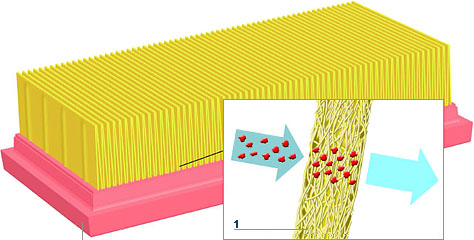
High quality cabin filters have a multi-layer design with three layers of mold-resistant filtration media. The first layer is of special non-woven material which captures larger contaminant particles. The second layer is an electro statically charged micro fiber layer which attracts and holds elusive smaller particles. The third layer is also non-woven filter media which adds stability, durability and is an additional barrier to harmful contaminants. They also feature many pleats which provide greater surface area for higher filtration. The cabin filters sit inside an injection-molded frame with a foam perimeter gasket. Very fancy.